Learning Data Engineering is not just about completing a course or adding tools to a resume. For working professionals, the bigger challenge is turning technical knowledge into practical skills, projects, interview confidence and better career opportunities.
The Bosscoder Academy Data Engineering Program brings these areas together through a structured curriculum, live classes, hands-on projects, 1:1 mentorship, focused DSA, GenAI and placement support.
But what do the reported career outcomes show, and what can learners learn from alumni experiences?
What Are the Data Engineering Career Outcomes at Bosscoder Academy?
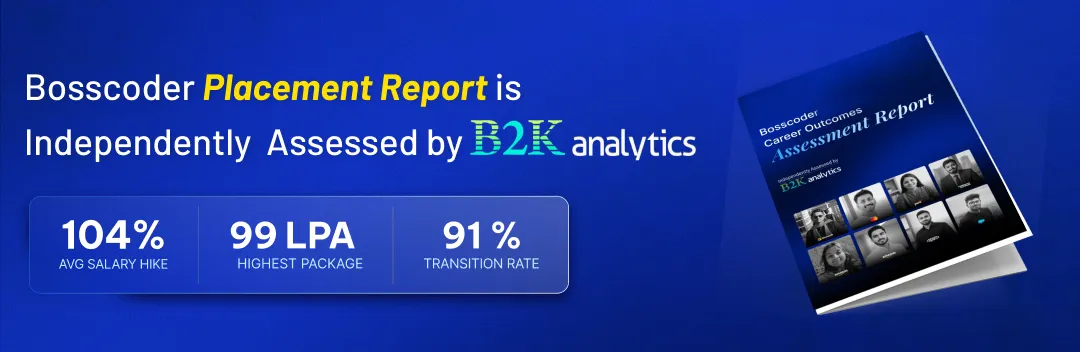
Bosscoder Academy's outcomes report was independently assessed by B2K Analytics Pvt. Ltd. The assessment covered 1,299 learners across Software Engineering and Data tracks and reviewed documented CTC, compensation details, designation changes and role transitions.
For the Data-focused learners, the report use the DE Charter, covering Data Engineering.
Reported Data Engineering outcomes
- 87% career transition rate
- ₹17.2 LPA overall average CTC
- ₹29.7 LPA average CTC for the top 25%
- 109% average CTC hike
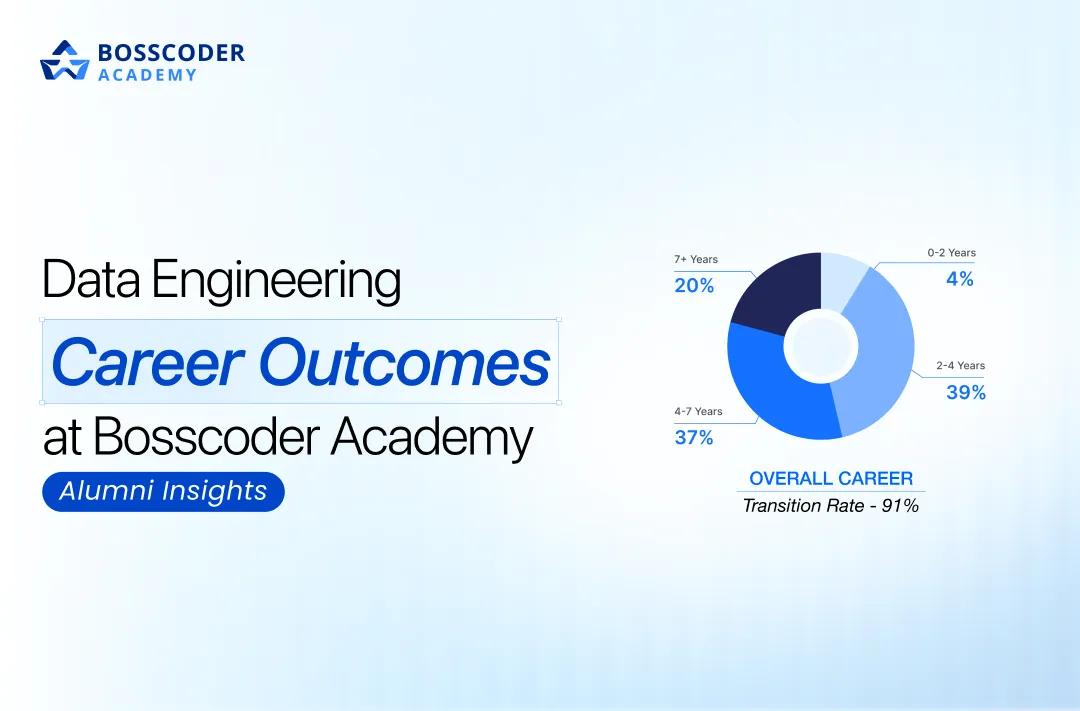
The report shows that the assessed DE learners came from different experience levels:
- 0-2 years: 4%
- 2-4 years: 39%
- 4-7 years: 37%
- 7+ years: 20%
Important: the 87% transition rate and salary figures are for the combined DS & DE Charter, not Data Engineering alone.
What Does the Bosscoder Data Engineering Program Cover?
The Data Engineering curriculum is organised into six major modules:
- Programming
- Data Engineering Fundamentals
- Data Engineering Tools
- Cloud Technologies
- Focused DSA for Data Engineers
- GenAI & Agentic Systems
Want to explore the full Data Engineering curriculum?
See the Bosscoder Academy Data Engineering Program and what you’ll learn step by step.
SQL and Python
The program begins with SQL and Python. SQL covers joins, aggregation, CTEs, subqueries, window functions and recursive CTEs. Python includes OOP, NumPy, Pandas and data visualisation.
These skills provide the programming foundation needed to work with databases, datasets and data pipelines.
Data Engineering Fundamentals
The next module covers:
- Database Management Systems
- Data Warehousing
- Data Modelling
- OLTP vs OLAP
- RDBMS and NoSQL
- Indexing and clustering
- Sharding
- Query optimization
This helps learners understand how data is stored, modelled and managed.
Data Engineering Tools
The curriculum then moves into tools such as:
- DBT
- Apache Airflow
- Fivetran
- Snowflake
- BigQuery
- Databricks
- Hadoop
- Apache Spark
- Apache Kafka
It also covers data pipeline architecture, batch vs streaming, scalability and fault tolerance.
Cloud and DevOps
The Cloud Technologies module covers AWS, GCP and Azure, with technologies and services relevant to Data Engineering. It also introduces DevOps concepts such as CI/CD, Terraform, Docker and Kubernetes.
How Do Projects Support Data Engineering Learning?
Learning tools is one thing; applying them is another.
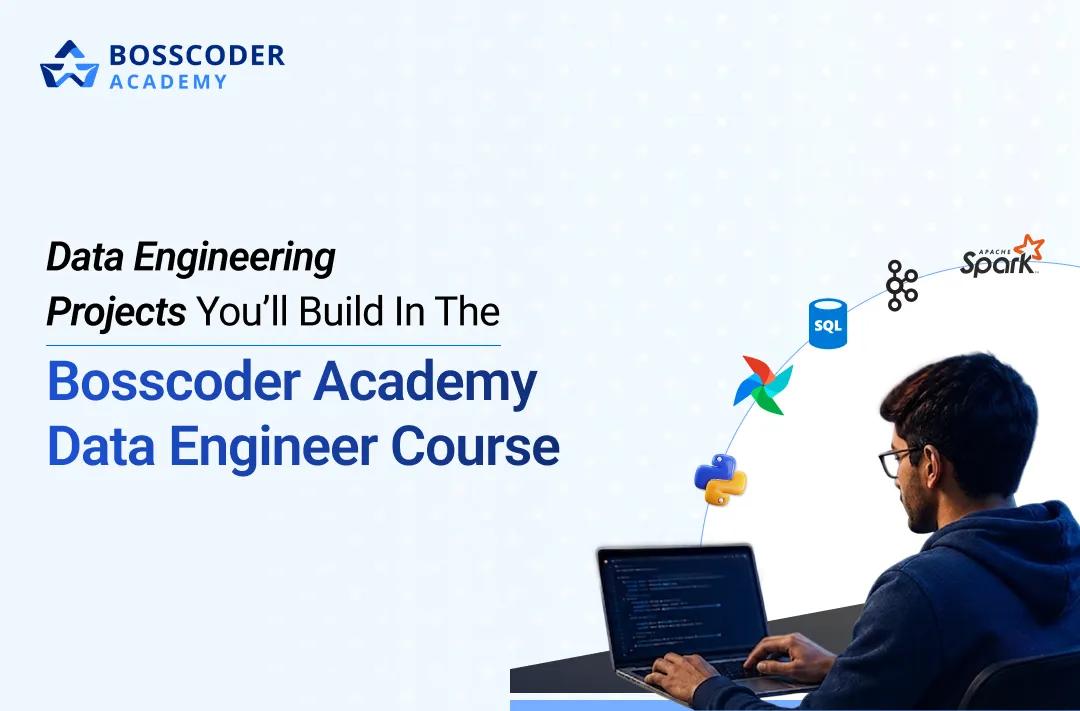
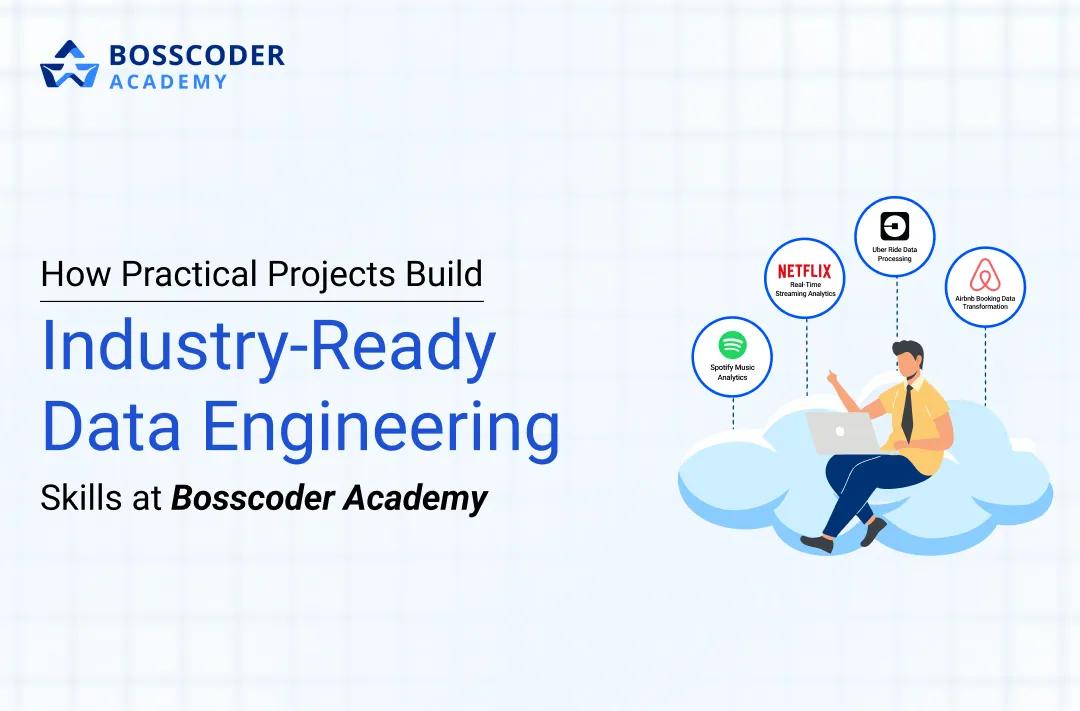
The program includes hands-on projects, assignments and 1:1 mentor discussions for project improvement.
The brochure highlights projects such as:
- Real-Time Financial Data Processing for Goldman Sachs
- Fraud Detection Data Pipeline for PayPal
These projects can give learners practical examples to discuss during Data Engineering interviews.
Want to see the Data Engineering projects in action?
Explore the Data Engineering projects you can build in the Bosscoder Academy Data Engineer Course.
How Does the Program Support Data Engineer Interview Preparation?
The curriculum includes a dedicated Focused DSA for Data Engineers module.
Topics include:
- Arrays and strings
- Binary search
- Recursion
- Sorting
- Hashing
- Linked lists
- Trees
- Graphs
- Dynamic programming
Alongside DSA, learners receive 1:1 mentorship, doubt support and mock interview preparation.
One example is Sanat Kumar Nambiar, a Data Engineer, whose testimonial says that live sessions helped him revise concepts, while mentorship and mock interviews provided realistic interview practice. His reported outcome shows a 121.8% salary hike after joining Bosscoder Academy.
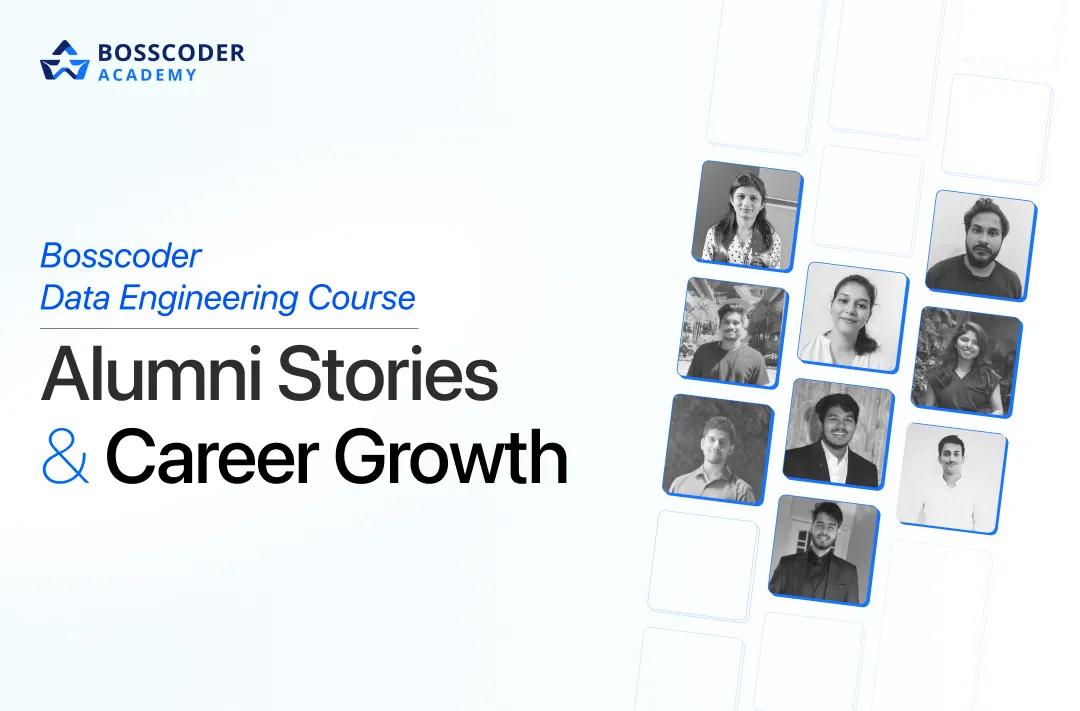
Want to explore more Data Engineering career journeys?
Read Bosscoder Data Engineering alumni stories to see real learning experiences and career growth.
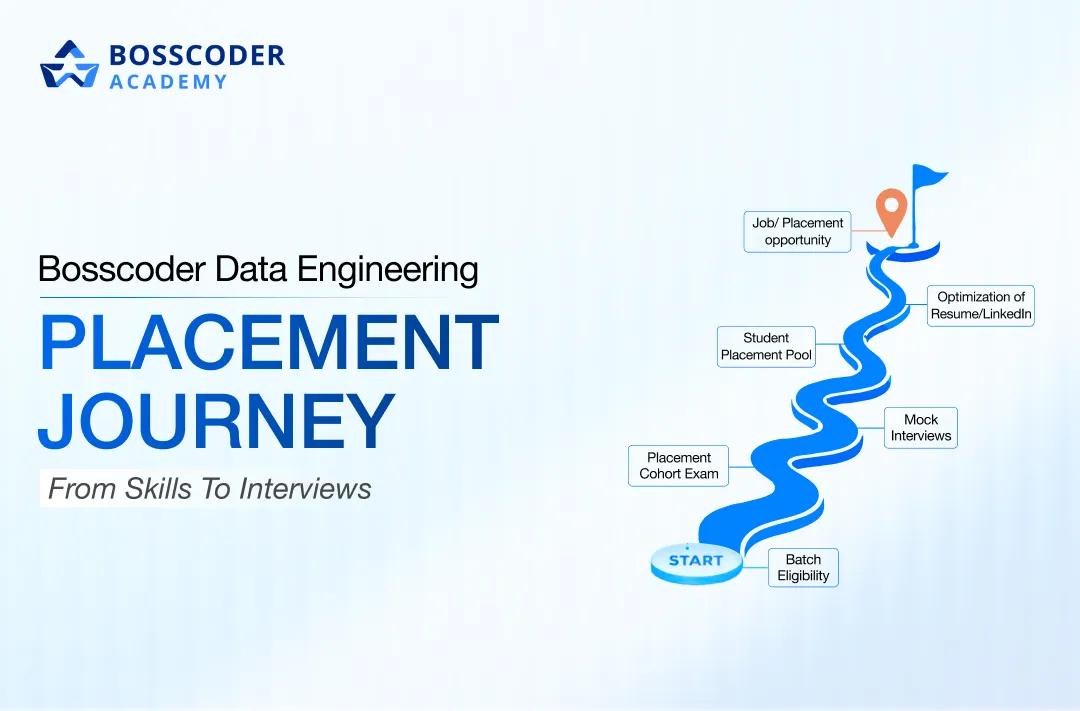
What Placement Support Is Available?
The Bosscoder Academy provides placement support through three stages:
Profile Building
- Resume support
- LinkedIn optimization
- Curated job profiles
- Application guidance
Referrals
- Alumni network
- Mentor and instructor support
- Hiring requirements shared with learners
Company Tie-Ups
Bosscoder Academy also has 500+ hiring partnerships with technology companies. The placement support includes profile building, referrals, curated job opportunities and company connections.
What Do These Career Outcomes Tell Us?
The reported outcomes and learner experiences show that a Data Engineering career transition involves more than learning individual tools.
The overall journey can be viewed as:
SQL & Python → Data Engineering Fundamentals → Tools & Cloud → Projects → DSA → Mentorship → Interview Preparation → Career Opportunities
The data engineer program combines technical learning with practical projects, personalised guidance and career preparation.
At the same time, the reported figures should be viewed in context. The outcomes report states that past results do not guarantee future placements or compensation, as individual results can vary based on experience, skills, preparation and market conditions.
Final Takeaway
For professionals considering a Data Engineering course, the important question is not simply how many technologies are included in the curriculum.
It is whether the learning journey helps connect technical skills with practical projects, problem-solving, mentorship and interview preparation.
Bosscoder Academy's Data Engineering Program brings these elements together, while the independently assessed DE career outcomes and individual alumni experiences provide measurable context around the results reported during the assessment period.
For someone planning a Data Engineering career transition, the goal is ultimately to turn learning into practical skills, stronger preparation and readiness for the next career opportunity.
Frequently Asked Questions (FAQs)
Q1. What are the reported Data Engineering career outcomes at Bosscoder Academy?
As per the independently assessed outcomes report, 87% of learners in the DE Charter have succeeded in transitioning into Data Engineering roles, with an average CTC of ₹17.2 LPA and average CTC hike of 109%.
Q2. How does Bosscoder Academy prepare learners for Data Engineer interviews?
The Bosscoder Data Engineering Program provides focused DSA for Data Engineers, along with hands-on projects, live classes, 1:1 mentorship, doubt-solving and mock interview preparations, helping learners to prepare for Data Engineering Interviews.
Q3. What practical skills can learners develop through the Bosscoder Data Engineering Program?
Learners will be able to gain skills such as SQL, Python, data modelling, data warehousing, ETL tools, cloud, Spark, Kafka, DSA, and GenAI & Agentic Systems.
Q4. What can learners learn from Bosscoder Data Engineering alumni experiences?
Alumni experiences highlight the value of structured learning, practical projects, 1:1 mentorship, regular practice and mock interviews when preparing for Data Engineering career transitions.